Thinking about buying a small storefront, office condo, or flex space in Leavenworth County, but not sure where to start? You are not alone. First-time commercial buyers often wonder how the process differs from a home purchase and what to expect from lenders, zoning, and due diligence. In this guide, you will learn the local landscape, common property types, the key differences from residential, and a simple step-by-step plan to move forward with confidence. Let’s dive in.
Why Leavenworth County for small commercial
Leavenworth County benefits from stable demand drivers. Fort Leavenworth, the VA Medical Center, and nearby correctional facilities support a steady base of services, retail, and professional offices. Downtown Leavenworth is an active small-business district with historic main-street buildings and upper-floor conversions, which you can explore through the city’s economic development and downtown resources.
The county sits within the larger Kansas City metro, so regional market trends help set expectations for rent, vacancy, and cap rates. Recent metro snapshots show tight retail conditions and varied office performance by submarket. For a benchmark on regional performance, review a current Kansas City report like the Lee & Associates market overview, then pair that context with on-the-ground comps in Leavenworth, Lansing, Basehor, Tonganoxie, and nearby corridors.
Local incentives can improve deal economics. The Leavenworth County Development Corporation highlights tools such as tax abatements, business park opportunities, and other programs that may apply to small projects. Start your research with the LCDC incentives page.
Property types you will see
You will encounter a mix of traditional main-street buildings and practical neighborhood sites. Always confirm zoning and permitted uses with the county or city before assuming your business can operate there. The county’s Planning and Zoning page is a helpful starting point if you are in unincorporated areas, while cities handle parcels within city limits. Use the Leavenworth County Planning & Zoning page to get oriented.
Downtown storefronts and mixed-use
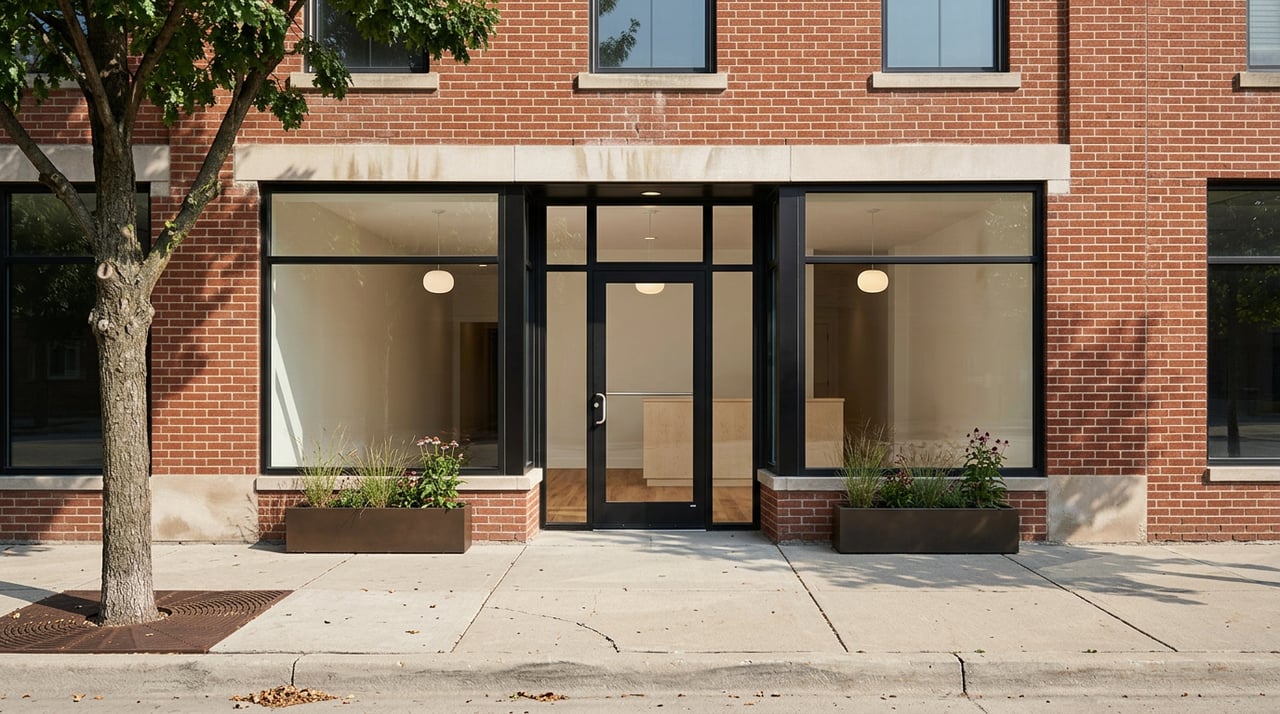
These classic brick buildings line downtown Leavenworth’s walkable core. Many have ground-floor retail or restaurant space with apartments or offices above. They are popular for owner-operators who want visibility and potential rental income from upper floors. Mixed-use can fit live-work concepts, but make sure the exact use is allowed at that address.
Office condos and small offices
You will find professional suites and small multi-tenant office buildings along major roads. Office condos appeal to medical, legal, accounting, and similar practices that prefer to own their space. Floor plates often range from about 1,000 to 5,000 square feet. Confirm any condominium association rules and fees as part of underwriting.
Neighborhood retail centers
Small strip centers serve day-to-day needs, from salons and day care to quick-service food and small professional offices. They tend to cluster on state highways and busy local roads. Rents and vacancy track closely with broader metro retail trends, so use metro reports for a baseline and verify with local comps.
Small flex and service industrial
Light industrial and contractor shops sit near highway corridors and in business parks. These spaces combine warehouse, small office, and service bays. If your use includes storage, light fabrication, or fleets, check access, clear heights, and parking ratios early.
Key differences from residential deals
Commercial transactions are structured differently from home purchases. Expect a broader due diligence scope, different valuation methods, and lease complexities that can change your cash flow.
Due diligence essentials
Your checklist will include title and survey reviews, building systems and ADA access checks, and a deep dive on zoning and land use. Environmental due diligence is standard. A Phase I Environmental Site Assessment helps identify potential hazards and can support certain liability protections. Review the EPA’s guidance on why Phase I ESAs are a common best practice in commercial deals by starting with this Phase I overview.
How valuation works for income property
Commercial appraisals weigh income more heavily than residential appraisals. For income property, buyers and appraisers often use a simple framework: Net Operating Income divided by a market cap rate equals an estimate of value. Expect higher appraisal fees and longer timelines than with a residential home, especially if the property is multi-tenant or has unique features.
Kansas property tax basics
Kansas classifies property by use and applies different assessment percentages to each class. Residential is assessed at 11.5 percent of market value, while commercial and industrial are assessed at 25 percent. You can review the statute that outlines these rates in Kansas law. Local mill levies and overlapping jurisdictions then determine the final bill, so always pull parcel-specific estimates before you buy.
Insurance and operating costs
Commercial owners typically carry property insurance, general liability, and sometimes business interruption coverage. The type of use, occupancy, and claims history influence premiums and required limits. Budget for these items along with utilities, maintenance, management, and reserve funding.
Leases and legal documents
Commercial leases come in several flavors that affect cash flow:
- Gross lease: Tenant pays a single base rent. Landlord covers most operating costs.
- Modified gross: Some operating costs are shared or reimbursed.
- Net leases (NN or NNN): Tenant pays base rent plus some or all operating expenses. In a triple net lease, tenants cover property taxes, insurance, and maintenance in addition to base rent.
For multi-tenant sites, plan for documents you do not see in home sales. These include tenant estoppel certificates, SNDAs with lenders, CAM reconciliations, and detailed rent rolls. These items influence underwriting and whether leases survive lender actions.
Financing and incentives
How lenders look at small deals
Most first-time buyers start with local community banks, regional lenders, or SBA-backed options. Conventional loans for owner-occupants often require about 20 to 30 percent down, with higher equity for pure investment deals. Underwriting will focus on global cash flow, your business plan, tenant quality, lease terms, and property condition.
SBA 7(a) and 504 programs
SBA-backed loans can lower your down payment and extend amortization, which improves monthly cash flow. The SBA 7(a) program is flexible and can cover owner-occupied real estate along with working capital. The SBA 504 program pairs a bank loan with a Certified Development Company loan for fixed assets like owner-occupied buildings, often allowing lower borrower equity and long, fixed rates on the CDC portion.
Local incentives and assistance
City and county programs can boost project feasibility. Examples include tax abatements, fee waivers, and business park options for qualifying projects. The Leavenworth County Development Corporation maintains a current list of tools for site selectors and small businesses. Review the LCDC incentives page early so you can factor benefits into your pro forma.
Your step-by-step checklist
Use this simple sequence to reduce risk and keep your timeline on track.
- Clarify your goal. Will you owner-occupy or buy and lease to others? Your financing choices, underwriting, and tax planning will differ. If you plan to owner-occupy, start learning about SBA 7(a) options and what your business will need to qualify.
- Scan the market. Get a feel for metro-level rents and vacancy, then compare to on-the-ground comps near your target corridors. A current Kansas City overview like the Lee & Associates market report can provide context while you gather local comps.
- Verify zoning and use. Before touring, confirm whether your intended use is allowed and whether any special permits are needed. Start with Leavenworth County Planning & Zoning for unincorporated parcels and the appropriate city planning office for sites within city limits.
- Check the parcel and taxes. Use the county’s mapping tools to review boundaries, nearby uses, and recorded data. The Leavenworth County GIS map is a quick way to pull parcel numbers before you contact the appraiser or treasurer for tax estimates.
- Build your professional team. Line up a local commercial broker, CPA, and real estate attorney. If you suspect environmental risk or you are buying an older building, engage an environmental professional for a Phase I ESA and follow EPA best practices.
- Underwrite the income and expenses. For multi-tenant deals, review rent rolls, lease expirations, options, tenant credit, CAM histories, and any below-market rents that may affect your returns. For owner-occupants, build a realistic operating budget that includes reserves, insurance, and maintenance.
- Talk to lenders early. Reach out to SBA-experienced community banks or credit unions, and consider the KU Small Business Development Center for free guidance and introductions. The KU SBDC offers no-cost consulting and can help you prepare a loan package. Start with their contact listing.
- Allow time for closing steps. Commercial appraisals, environmental reviews, and lender underwriting often take longer than home loans. Write timelines that include contingency windows for tenant deliverables, ADA upgrades, or permit approvals.
Local resources you can use
- City of Leavenworth economic development for downtown insights and contacts. Linked earlier in this guide.
- Leavenworth County Planning & Zoning for zoning maps, permitted uses, and status of parcel letters. Linked above.
- Leavenworth County GIS for parcel numbers and basic mapping. Linked above.
- KU Small Business Development Center for free consulting and lender referrals. Linked above.
- SBA 7(a) and 504 pages for eligibility, terms, and application steps. Linked above.
Putting it all together
Small commercial properties in Leavenworth County can be straightforward when you follow a clear process. Start with a realistic read on the metro and local market, confirm zoning early, and budget time for commercial-grade due diligence. If you plan to owner-occupy, learn how SBA programs can shape your down payment and monthly costs. When you assemble the right team and use local resources, you reduce surprises and set yourself up for a solid first investment.
Ready to explore a storefront, office condo, or small flex space in Leavenworth County or nearby markets? Connect with a local, relationship-first professional who understands small-town main streets and practical investment math. Reach out to Louise Regenstein to talk through your goals and map the best path forward.
FAQs
What small commercial property types are common in Leavenworth County?
- You will often see downtown storefronts with apartments or offices above, small office condos, neighborhood strip centers, and light industrial or flex spaces near highways and business parks.
How do I confirm that my business use is allowed at a property in Leavenworth County?
- Ask the appropriate planning office to verify zoning and permitted uses. Use the county’s Planning & Zoning for unincorporated areas and the city’s planning department for parcels inside city limits.
What down payment do lenders usually require for a first small commercial purchase?
- Conventional loans for owner-occupied purchases often require about 20 to 30 percent down, while SBA-backed 7(a) or 504 options may allow lower equity depending on your use and credit profile.
Do I really need an environmental inspection for a small commercial building?
- Yes. A Phase I Environmental Site Assessment is standard in commercial deals and helps identify potential hazards while supporting certain liability protections.
How long does a small commercial closing take compared to a home purchase?
- Commercial closings usually take longer due to appraisals, environmental reviews, lease audits, and lender underwriting. Build in extra time and clear contingencies to avoid delays.