If you are drawn to Parkville, you are probably weighing two very different kinds of homes. One may offer original details near a historic downtown, while another may give you newer systems and a more low-maintenance setup in a planned community. Both can be a strong fit, and understanding how Parkville’s housing market is shaped will help you decide where your priorities belong. Let’s dive in.
Why Parkville draws long-term buyers
Parkville stands out for its blend of history and setting. The city traces its roots to an 1838 steamboat landing and was formally platted in 1844. Today, the city describes itself as a place known for antique shops, art galleries, and a historic downtown, which helps explain why buyers often look at more than just square footage here.
The local housing market also appears relatively stable. According to U.S. Census QuickFacts, Parkville has an 82.3% owner-occupied housing rate and a median value of $573,500 for owner-occupied homes. Census profile data also show that 91.5% of residents age 1 and older lived in the same house a year earlier, which points to a market shaped more by long-term ownership than frequent turnover.
With about 3,200 housing units estimated in the ACS 2024 profile, Parkville is not a market where every area feels interchangeable. Neighborhood setting, home style, and the balance between character and convenience can matter a lot.
Historic homes in Parkville
For many buyers, the biggest draw in Parkville is the historic core. The city identifies downtown as a historic district, and older buildings there have been reused for shops and specialty businesses. Landmarks such as the Parkville Train Depot reflect the city’s long-standing built environment and reinforce the appeal of older homes nearby.
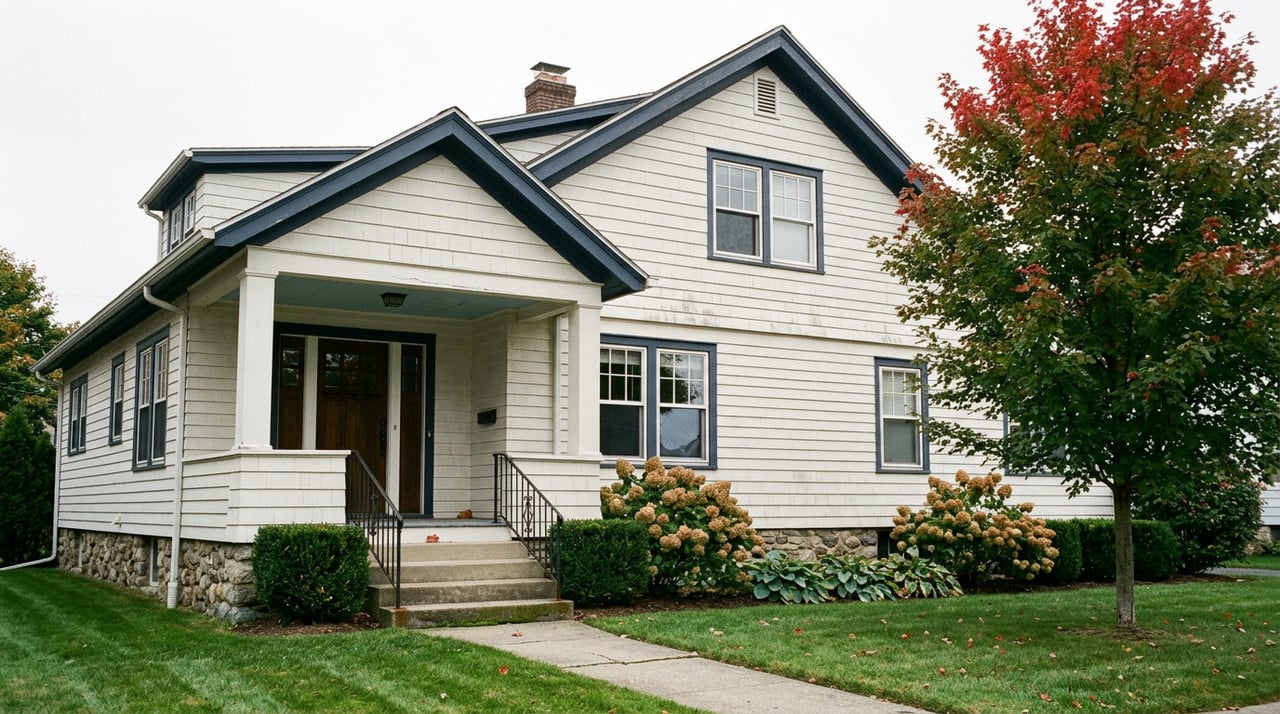
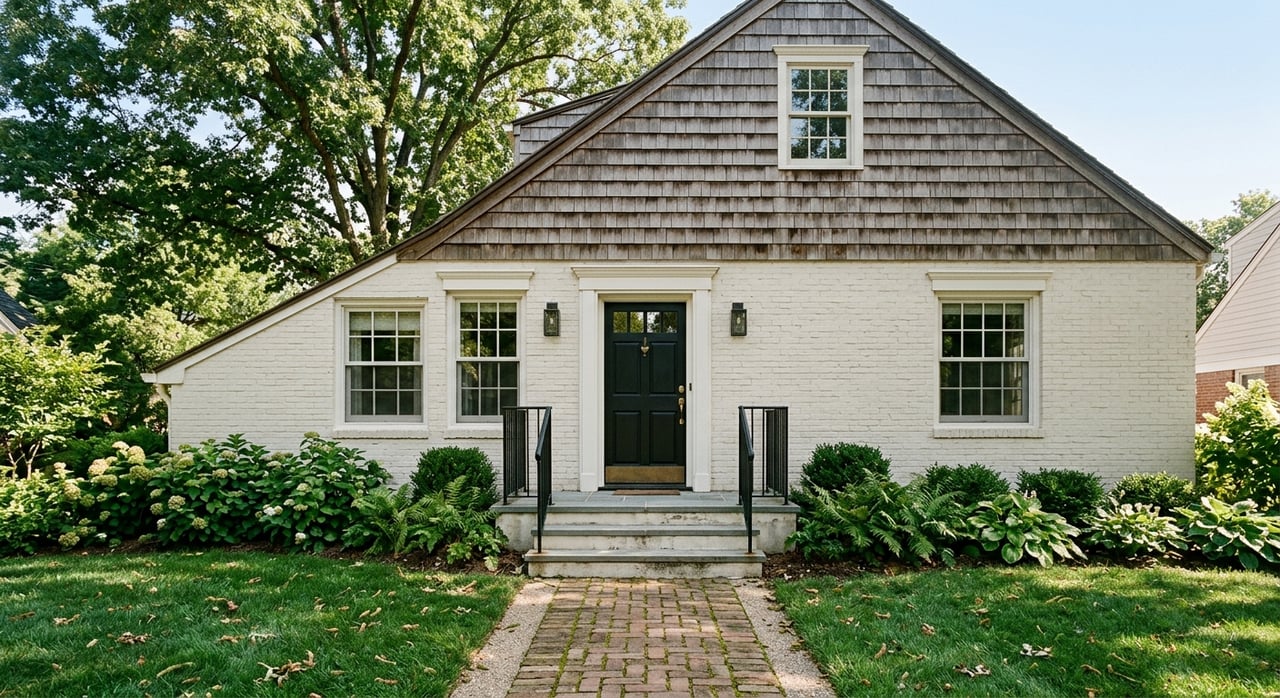
If you are looking at a historic property, the appeal often starts with what cannot be easily replicated. Distinct architecture, original details, and close access to downtown all help create a sense of place that many buyers value. In Parkville, that authenticity can be a major part of a home’s marketability.
At the same time, older homes usually require a more careful review before you buy. Parkville’s Community Development Department lists historic preservation among its core functions, and the city’s permit framework means some exterior work, additions, and development proposals may be subject to review, especially in areas such as the Old Town District. You can explore those requirements through the city’s Community Development resources.
What buyers should watch for
When you tour an older Parkville home, look beyond finishes and staging. You may also want to focus on:
- Condition of major systems
- Permit history for past updates
- Exterior features that may affect future improvements
- How much upkeep fits your budget and schedule
- Proximity to downtown and how that adds value for you
In a historic area, charm is part of the package, but so is responsibility. If you love originality and location, that tradeoff may feel well worth it.
What sellers can highlight
If you are selling a historic home in Parkville, your value story is usually about more than being move-in ready. Buyers may respond to features such as:
- Original architectural character
- Walkability or close proximity to downtown destinations
- One-of-a-kind design details
- The home’s connection to Parkville’s established setting
That kind of property often benefits from thoughtful marketing that explains what makes it distinct rather than treating it like a generic listing.
New builds and newer neighborhoods
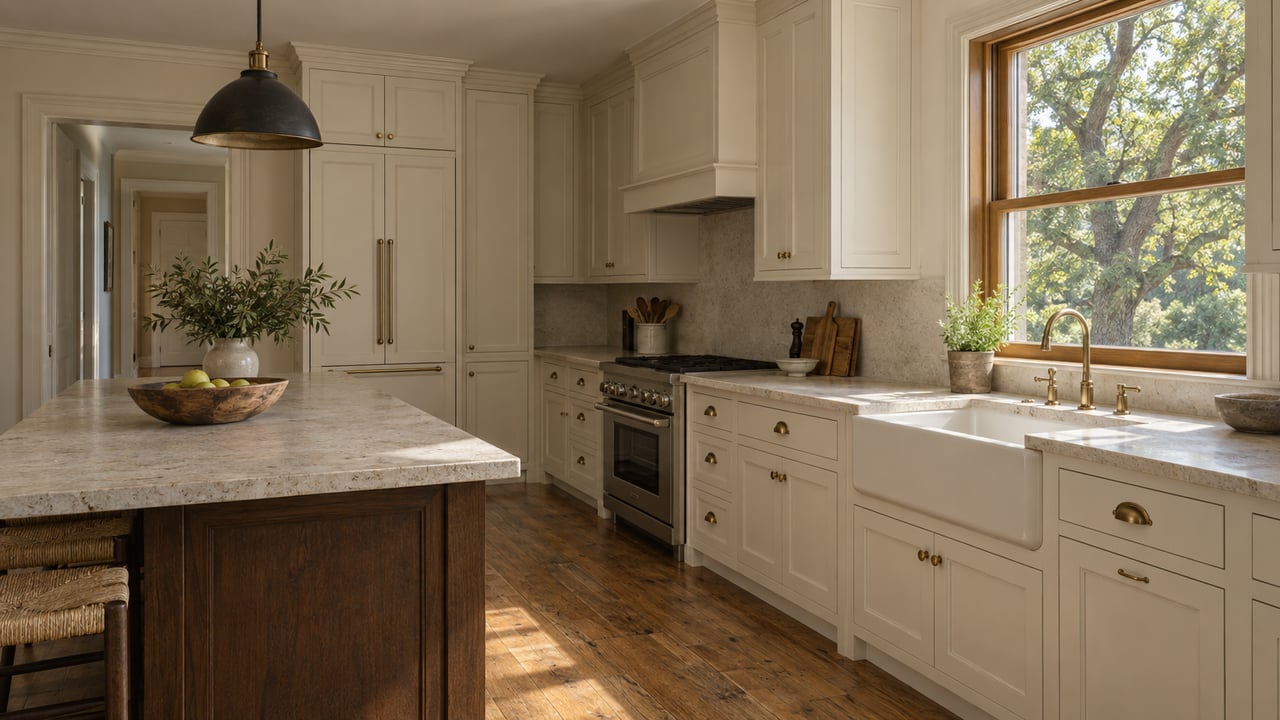
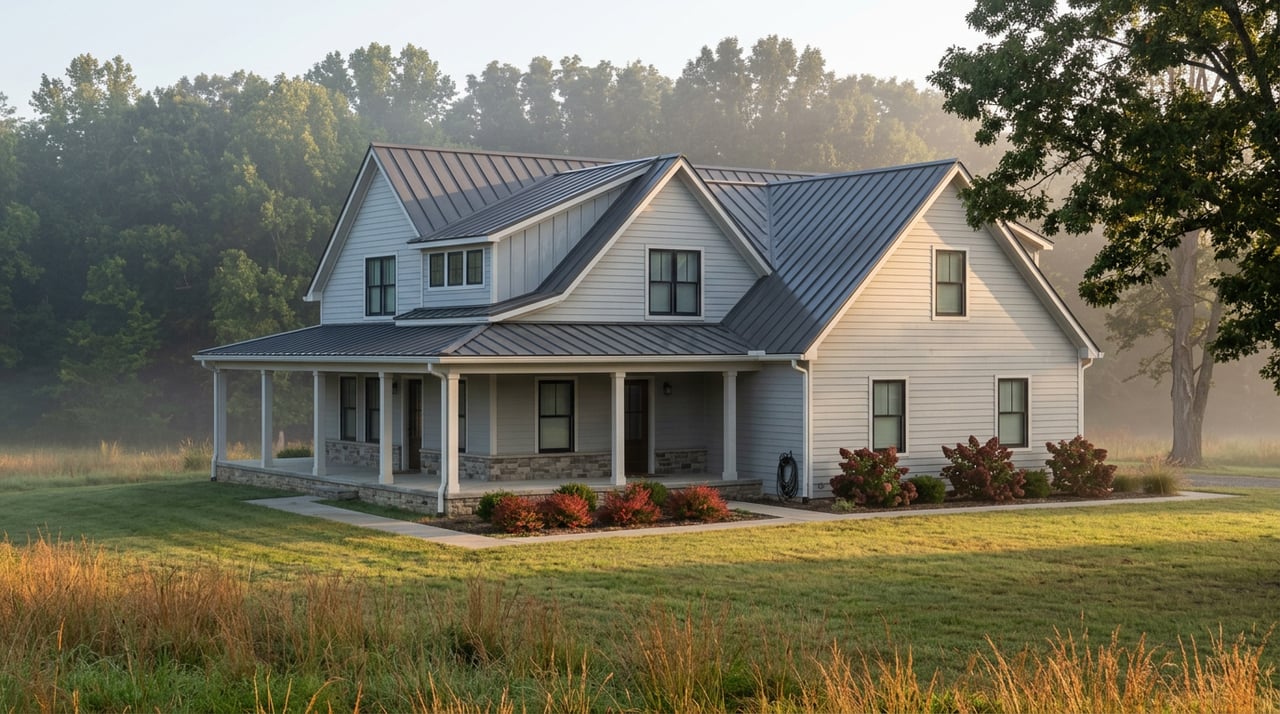
Parkville also offers buyers a different path. If you want a home with newer systems, a more predictable maintenance outlook, or a neighborhood with planned amenities, newer construction may be the better fit.
The city’s developments and neighborhoods page shows that newer housing is not limited to a single subdivision pattern. Creekside in western Parkville includes a mix of single-family homes, townhomes, and apartments alongside retail, restaurants, office space, baseball fields, and industrial uses, with additional growth still planned. The National includes stately homes, a golf course, and maintenance-free options.
That matters because “newer” in Parkville can mean several different lifestyles. You might want a mixed-use area with nearby services, or you may prefer a planned neighborhood with homes designed for easier upkeep. Either way, newer choices are part of the market, not an afterthought.
Why newer homes appeal
Newer homes often attract buyers who want to spend less time on immediate repairs and more time settling in. In Parkville, that can mean looking closely at:
- Maintenance-free or lower-maintenance options
- Layouts built for current living preferences
- Newer materials and systems
- Neighborhood amenities and shared spaces
- Access to major routes or everyday services
For some buyers, that convenience outweighs the emotional appeal of a historic property. For others, it simply makes the decision easier if they are balancing a busy schedule or planning for a more straightforward move.
What sellers in newer areas can emphasize
If you are selling in a newer section of Parkville, your strongest selling points may be different from those of a downtown home. Buyers often notice:
- Newer roofs, HVAC, and other systems
- Lower immediate maintenance needs
- Community amenities
- Flexible housing choices such as single-family or townhome living
- A polished, planned neighborhood feel
Clear positioning matters here too. A newer home usually competes best when its convenience, condition, and neighborhood setting are easy for buyers to understand.
Established neighborhoods between old and new
Not every Parkville buyer wants a historic home or brand-new construction. Many will land somewhere in the middle, and Parkville has several established neighborhoods that offer that balance.
The city’s official neighborhood list includes The Bluffs, Parkville Heights, Pinecrest, Riss Lake, Riverchase, River Hills Estates, Thousand Oaks, The National, and Creekside. The city describes these areas with features such as wooded hills, lakes, parks, shopping access, and proximity to Park University or downtown. You can review those neighborhood descriptions on the city’s residential developments and neighborhoods page.
For buyers, these neighborhoods may offer a mature setting without the level of upkeep that often comes with an older downtown property. For sellers, this part of the market often depends on location-driven appeal just as much as the house itself.
Setting matters in Parkville
One of the clearest themes in Parkville is that surroundings carry real weight. Across the city’s neighborhood descriptions, recurring features include:
- Wooded lots
- Hilly topography
- Mature trees
- Lake frontage or water views
- River views
- Access to downtown or major corridors
That means buyers often compare homes by feel as much as by features. Two homes with similar size may attract different interest depending on lot setting, landscape, and proximity to the parts of Parkville buyers use most.
How planning shapes the market
Parkville’s mix of historic charm and newer housing is not happening by accident. The city adopted a 2040 Master Plan in 2021 to guide land use, housing, transportation, parks, community facilities, and commercial development.
The city has also tightened design expectations. It approved new architectural design standards in 2024 and new site and landscape standards in 2025. According to the city, those standards were created to help new work fit its context, which is important in a place where community character plays such a visible role.
For you as a buyer or seller, this means newer homes, additions, and redevelopment projects are being shaped by rules meant to complement Parkville’s established identity. In practical terms, the market is not just old versus new. It is a market where both are expected to work together.
How to choose the right fit
If you are buying in Parkville, your best choice often comes down to how you want to live day to day. A historic property may give you character and downtown access, but it can also bring more upkeep and more attention to permits and condition. A newer home may offer ease and predictability, but it may not give you the same sense of architectural individuality.
A simple way to frame your decision is to ask yourself what matters most:
- Do you want original character or lower-maintenance living?
- Do you want downtown proximity or a planned neighborhood setting?
- Are you comfortable with older-home maintenance?
- How important are views, trees, or lot features?
- Are newer systems a top priority?
If you are selling, your strategy should match the kind of buyer most likely to connect with your property. Historic homes often need marketing that tells the story of the house and its setting. Newer homes often perform best when the listing clearly shows convenience, condition, and neighborhood benefits.
Whether you are drawn to an older home with authentic detail or a newer build with easier upkeep, Parkville gives you more than one path into the market. If you want guidance on how to position a home for sale or how to evaluate your options with a local, practical lens, connect with Louise Regenstein for personalized support.
FAQs
What makes Parkville’s housing market different from other suburbs?
- Parkville combines a historic downtown, established neighborhoods, and newer planned development, and city data point to a stable, mostly owner-occupied market.
What should buyers know about historic homes in Parkville?
- Buyers should expect character and downtown proximity, but they should also be prepared to review property condition, permits, and any design or development requirements that may apply.
Where can buyers find newer homes in Parkville?
- Creekside, The National, and some newer subdivisions are among the clearest examples of newer housing choices in Parkville, along with some redevelopment closer to downtown.
Do Parkville neighborhoods vary a lot by setting?
- Yes, city neighborhood descriptions frequently highlight wooded hills, mature trees, lake frontage, river views, and access to downtown or major corridors.
Is Parkville mostly owner-occupied?
- Yes, according to U.S. Census QuickFacts, 82.3% of Parkville housing is owner-occupied.
Why do design standards matter in Parkville real estate?
- The city’s planning and design standards help guide how new homes, additions, and development fit with Parkville’s established character, which can influence both buying and selling decisions.