Dreaming about weekends on the water and evenings that feel a little slower? Buying near Smithville Lake can deliver that outdoor lifestyle, but it also comes with practical details that matter before you make an offer. If you are considering a home near Smithville, Missouri, this guide will help you think through access, storage, permits, maintenance, and day-to-day lake living so you can buy with more confidence. Let’s dive in.
Smithville Lake lifestyle basics
Smithville Lake is more than a scenic backdrop. It is managed by the U.S. Army Corps of Engineers as a flood-control and water-supply lake, and it provides drinking water to Smithville, Trimble, Grayson, and Plattsburg.
That matters because the lake is part of a working public system, not just a private recreation area. It covers 7,190 water-surface acres, and more than 4,000 acres were left uncleared for habitat, which helps give the area its outdoors-focused feel.
If you are picturing a lake home here, it helps to think beyond the word “waterfront.” Near Smithville, the experience often comes down to how you plan to use the lake and how close you want to be to trails, marinas, beaches, and storage.
Recreation shapes everyday living
One of the biggest draws near Smithville Lake is the range of outdoor activities available through much of the year. Warm-season recreation includes boating, fishing, swimming, camping, trails, and equestrian use.
The trail system is a major part of the lifestyle. The lake area includes 24 miles of asphalt walking and biking trails, 11 miles of single-track mountain bike trails, and 26 miles of equestrian trails.
That broad mix can influence where you want to buy. Some buyers want quick marina access, while others care more about trail connections, quieter roads, or room for gear and trailers at home.
Know the seasonal rhythm
Lake life near Smithville is not the same in every season. Kansas City-area climate normals show typical January highs and lows around 40 and 23 degrees, while July averages around 87 and 67 degrees.
Early October averages near 74 and 52 degrees, which points to a long spring-through-fall recreation season. Winter can feel quieter, and that often means more attention to storage, maintenance, and planning for the next boating season.
Understand beach and marina timing
Public swim beaches at Smithville Lake open May 1 and run through September 15. Clay County Parks notes there is no lifeguard on duty, and the two designated swim beaches are protected from boat traffic.
Swimming elsewhere around the lake is at the swimmer’s risk. The county also notes that pets, glass containers, and alcoholic beverages are not allowed at the beaches.
Boat rentals at Camp Branch Marina are offered May 1 through October 1, weather permitting. The marina also serves as a place to pick up boating gear, fuel, and basic supplies, which can be a real convenience if you plan to spend regular time on the water.
Access matters more than you think
When buyers start looking near Smithville Lake, many focus first on whether a home is “on the lake.” In reality, there are several different ways to enjoy the area, and each one creates a different ownership experience.
A helpful way to compare homes is to sort them into three lifestyle categories:
- Direct lake access
- Leased-slip access
- Close-by convenience without direct access
These are not small differences. They affect your daily routine, how you store equipment, how you park, and how much maintenance you may take on.
Direct lake access
Some buyers want the closest possible connection to the water. If that is your goal, be sure to look beyond the view and ask practical questions about drainage, floodplain status, parking, and how outdoor gear will be stored.
A lot that looks simple in photos may function very differently in person. Creek-adjacent or low-lying areas can also require extra due diligence before you assume risk is low.
Leased-slip access
For many buyers, a leased slip offers a strong middle ground. You can live near the lake, keep your home base more manageable, and still have a regular boating setup through a marina.
Camp Branch offers covered overnight slips and 212 covered slips leased in 6-month increments. Paradise Pointe lists 240 covered slips and 29 uncovered slips, also leased in 6-month increments, while Sailboat Cove includes dry storage.
Close-by convenience
Some of the most practical lake-area purchases are not on the shoreline at all. A home close to Smithville Lake can still support the lifestyle if it gives you easy access to trails, beaches, marinas, and enough room for storage.
This option can work especially well if you want lower day-to-day property demands while still enjoying the area often. For many households, that balance is what makes lake living sustainable.
Boat storage and slip rules to ask about
If you plan to own a boat, storage should be part of your home search from day one. Near Smithville Lake, garages, sheds, driveway space, and trailer parking are not just nice extras. They can be central to how well a property works for you.
Slip rules also matter. Clay County notes that slip agreements are annual, non-transferable, and tied to the registered owner of the boat.
That means you should not assume a boat purchase automatically comes with a usable slip. If slip access is important to you, confirm the current rules, availability, and lease structure before you count on that setup.
Missouri boater requirements
First-time lake buyers should also understand Missouri’s operating rules. According to the Missouri Department of Revenue, anyone born after January 1, 1984 who operates a vessel on Missouri lakes must carry a boating safety education card or boater identification indicator.
It is a simple detail, but it is worth handling early. If boating is part of your plan, this is one of those small steps that can save time and stress later.
Property types near Smithville Lake
Homes near Smithville can vary more than buyers expect. In addition to subdivision-style housing, Smithville’s future land-use plan includes low-density residential uses on lots over three acres and agricultural uses with barns and storage buildings in fringe areas.
That suggests some buyers will find larger parcels, accessory structures, and a more rural setting around the edge of town and near the lake area. If you need room for a boat, trailer, workshop, or outdoor equipment, those features may move from “bonus” to “must-have” very quickly.
Features that often matter most
Near a lake setting, practical property features often shape value just as much as cosmetic finishes. As you compare homes, pay attention to:
- Garage size and door height
- Shed or outbuilding space
- Extra driveway or trailer parking
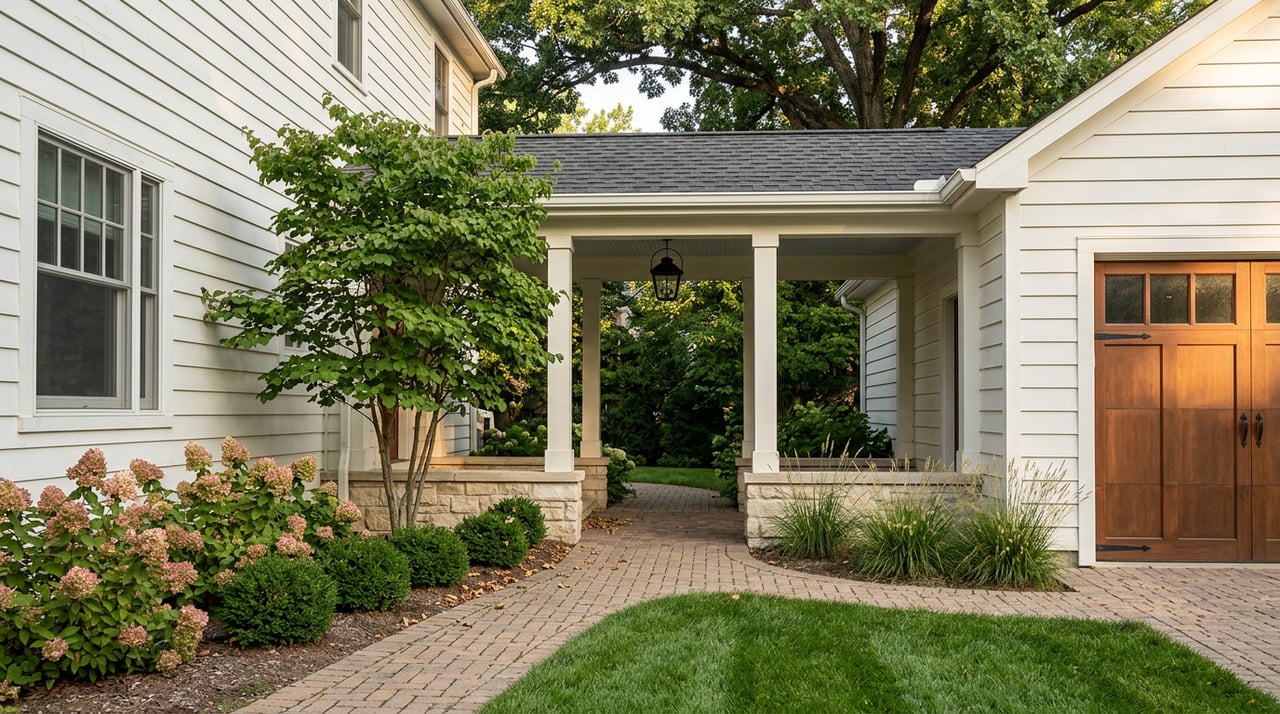
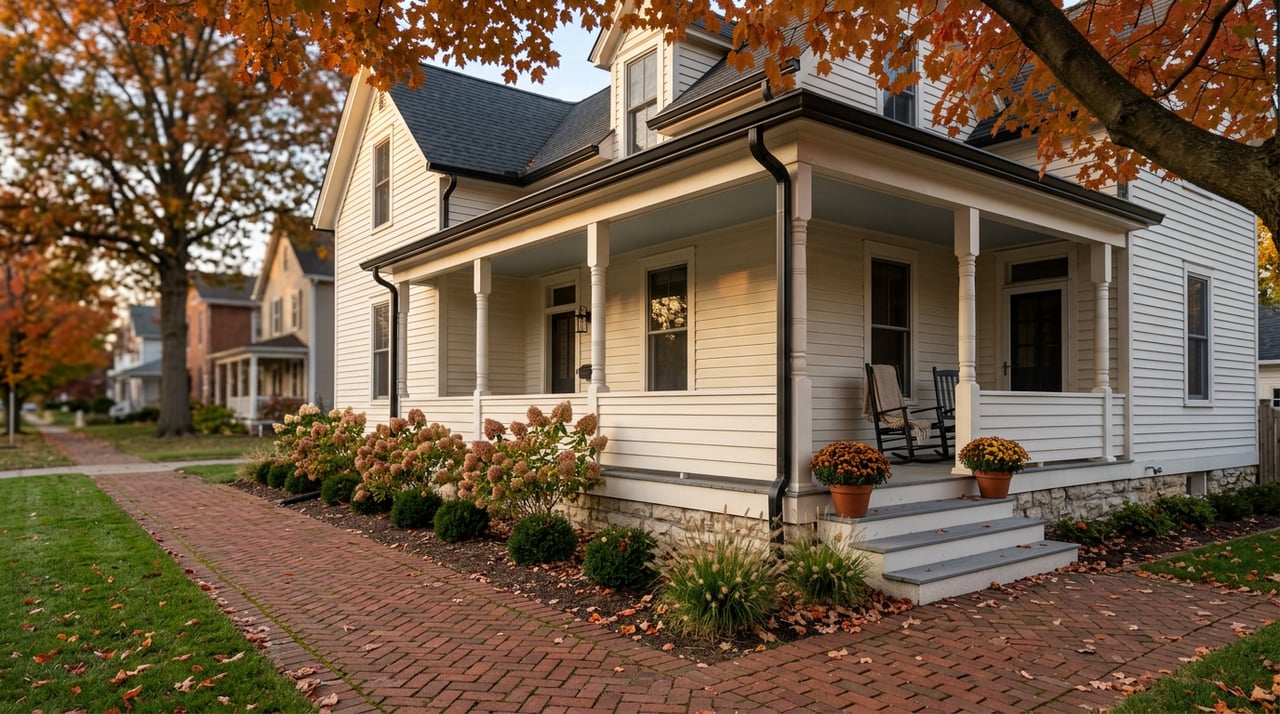
- Covered porch or outdoor living area
- Yard slope and drainage
- Storage for fishing, camping, or biking gear
These details can make daily life much easier. They can also affect how much future work or expense you take on after closing.
Permits and floodplain checks
If you are buying a home with plans to add a deck, fence, pool, or outbuilding, check local rules early. The City of Smithville says construction in or to a house or garage usually requires a permit, and permits are also required for fences, decks, pools, and outbuildings larger than 120 square feet.
That is especially important if you are purchasing an older property and thinking about updates right away. Before you buy, it is smart to make sure your improvement plans line up with local requirements.
Floodplain status also deserves close attention. Smithville provides Floodplain Maps and Applications, and FEMA’s Flood Map Service Center is the official source for flood-hazard maps.
A lot near water or a creek may look fine at first glance, but appearance alone does not tell the full story. Confirming floodplain status before closing is one of the most important steps you can take.
Yard care is part of lake stewardship
Near Smithville Lake, landscaping choices are not only about curb appeal. The City of Smithville’s stormwater guidance says runoff from roofs, driveways, sidewalks, streets, and residential lawns can carry oils, lawn chemicals, pet waste, and other pollutants into waterways.
For homeowners near the lake, that makes drainage and erosion control especially important. It also makes lower-maintenance and water-conscious landscaping worth a closer look.
Smart yard questions to ask
As you evaluate a property, consider asking:
- Where does water drain during heavy rain?
- Are there signs of erosion on the lot?
- Have downspouts been directed away from problem areas?
- Would native plants make maintenance easier here?
- Is there space for a rain barrel or rain garden?
The city recommends native plants, safe lawn-chemical use, downspout redirection, and rain barrels or rain gardens. Those choices can help protect the property and support the health of nearby waterways.
How to buy with fewer surprises
A lake-area purchase can be exciting, but the best decisions usually come from slowing down and checking the practical pieces. It helps to think through how you will actually use the home in July, in October, and in January.
Before you move forward, build your search around your real lifestyle priorities. Do you want easy boating access, room for trailers and gear, quick trail access, lower-maintenance living, or a larger parcel with a more rural feel?
A thoughtful home search near Smithville should include:
- Your preferred type of lake access
- Slip or storage needs
- Parking and outbuilding needs
- Permit considerations for future improvements
- Floodplain review
- Yard drainage and maintenance expectations
- Seasonal use plans for winter and summer
When you line up the property with how you truly plan to live, you are much more likely to enjoy the lake lifestyle long after the excitement of closing day fades.
If you are weighing a move near Smithville Lake and want practical guidance on what to look for, Louise Regenstein can help you sort through the details and find a property that fits the way you live.
FAQs
What is Smithville Lake used for besides recreation?
- Smithville Lake is managed as a flood-control and water-supply lake, and it also serves as a recreation destination with boating, fishing, swimming, camping, trails, and equestrian use.
What should buyers near Smithville Lake know about boat slips?
- Buyers should know that slip agreements are annual, non-transferable, and tied to the registered owner of the boat, so a boat purchase does not automatically include usable slip access.
What outdoor features matter most in homes near Smithville Lake?
- Practical features often matter most, including garage space, extra driveway room, sheds or outbuildings, covered outdoor areas, and a yard layout that supports drainage and storage.
What permits may be required for a Smithville home project?
- The City of Smithville says work in or to a house or garage usually requires a permit, and permits are also required for fences, decks, pools, and outbuildings larger than 120 square feet.
What floodplain step should buyers take near Smithville Lake?
- Buyers should confirm floodplain status through Smithville’s floodplain resources and the official flood-hazard mapping source before assuming a shoreline or creek-adjacent lot is low-risk.
What should first-time boat owners near Smithville Lake know in Missouri?
- In Missouri, anyone born after January 1, 1984 who operates a vessel on state lakes must carry a boating safety education card or boater identification indicator.