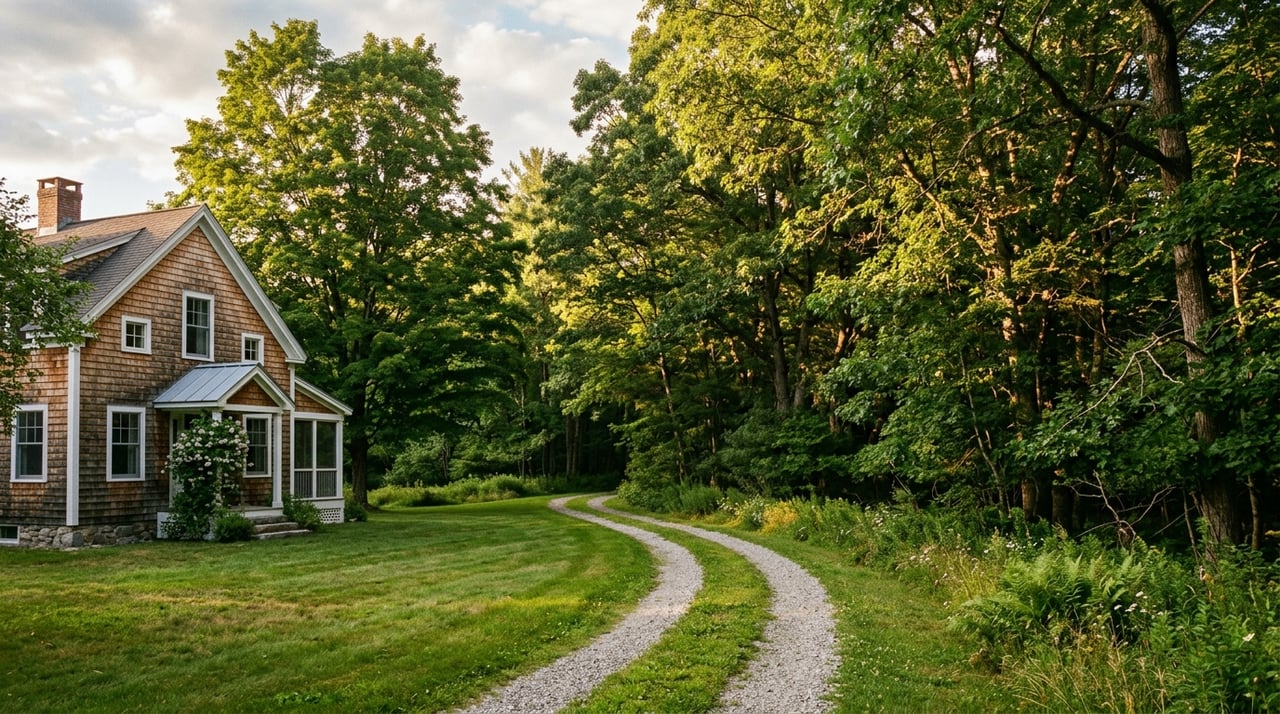
If you have ever dreamed about owning a place to hunt, fish, camp, ride trails, or simply unplug for the weekend, Jefferson County, Kansas deserves a close look. Buyers are often drawn to the area for its rural setting, rolling hills, and easy access to Perry Lake, but recreational land is not as simple as picking the prettiest tract on the map. Before you buy, you need to know how access, zoning, utilities, wastewater, and floodplain rules can affect what you can actually do with the property. Let’s dive in.
Why Jefferson County draws recreational buyers
Jefferson County sits in northeast Kansas and offers a rural setting with eight small cities and access to larger regional hubs like Kansas City, Topeka, Lawrence, and Atchison. That mix appeals to buyers who want a getaway property without feeling too far from town services or everyday conveniences.
A major attraction is Perry Lake and the surrounding park system. The county highlights camping, hiking, hunting, boating, fishing, and trails, while the U.S. Army Corps of Engineers says Perry Lake has more than 11,000 surface acres and over 160 miles of shoreline on the Delaware River in northeast Jefferson County.
That setting gives you a range of recreational possibilities, from a simple weekend basecamp to a longer-term plan for a cabin or future homesite. It also helps that local service providers are available in the county, including title companies, electricians, HVAC and plumbing firms, medical care, internet providers, and trash services.
Start with your intended use
Before you fall in love with a tract, get clear on how you plan to use it. A property that works well for seasonal hunting or camping may not be suitable for building, dividing, or installing wastewater improvements later.
Jefferson County says its Planning and Zoning division handles land development, zoning changes, land subdivision, and permitted uses. Building and Construction handles permits, and outside city limits, some uses may require a conditional use permit or rezoning.
The county also notes that it does not have building codes, but it does inspect properties outside city limits for setbacks and occupancy. That makes it especially important to confirm local requirements early if your recreational purchase could eventually become a cabin site or primary residence.
Ask these use questions first
- Will you use the land mainly for hunting, fishing, and camping?
- Do you want to add a cabin, barn, or future homesite?
- Are you hoping to divide the tract later?
- Will you need utility service now or later?
- Does your plan depend on a septic system or private well?
A clear plan helps you ask better questions before you make an offer. It also helps your real estate professional point you toward the right county offices and local service providers.
Do not assume land is buildable
One of the biggest mistakes buyers make is assuming that rural land can automatically support a future build. Jefferson County’s plat guidance says land being sold or divided may not be eligible for a building permit, so subdivision status should be checked before closing.
That means a property can look perfect on the surface and still come with limitations that affect your plans. If buildability matters to you, verify it before you buy, not after.
Why subdivision status matters
If a tract has been split incorrectly or does not meet county requirements, you may face delays or discover that a building permit is not available. This is especially important if you are buying recreational land with a future home, shop, or cabin in mind.
Checking this upfront can save you time, money, and disappointment. In a rural land purchase, due diligence is not extra work. It is the work.
Confirm legal and physical access
Access is one of the first things to verify with any recreational tract. You want to know not only that you can physically reach the property, but also that access is legally documented.
Jefferson County’s Register of Deeds records deeds, easements, mortgages, plats, and surveys, and those records are used for title research and lien review. Those documents can help confirm whether the parcel has recorded access and whether any easements cross the property.
Physical access matters too. Jefferson County Public Works says an entrance application is required before installing any driveway connected to a county road, so if the tract does not already have an approved entrance, that step should be part of your planning.
Access items to verify
- Recorded road frontage or easement access
- Existing or planned driveway location
- Whether a county road entrance permit is needed
- Any easements that cross the property
- How access conditions may change in wet weather
Check utilities parcel by parcel
Utility availability is not one-size-fits-all in rural Jefferson County. Two properties that seem close together can have very different service options, costs, and installation needs.
The county’s GIS tools include parcel mapping, zoning maps, road records, survey documents, contours, and water-district maps. The county services directory also lists rural water districts and electric providers, which can help you narrow down what may be available in a given area.
For example, Rural Water District 12 serves a large portion of northeastern Jefferson County, and both Rural Water District 12 and Rural Water District 13 remind property owners to call 811 before digging. That is a practical reminder that utility planning should happen early, especially if you expect to add water service, electric lines, or improvements.
Utility questions to ask
- Is rural water available at the road or nearby?
- Which electric provider serves the tract?
- Is internet service available in the area?
- What will it cost to extend service to your build site?
- Are there existing utility easements on the property?
Plan ahead for wells and septic
If public or rural water is not available, a private well may be part of your plan. In Kansas, private well owners are responsible for regular testing of household water, according to the Kansas Department of Health and Environment.
KDHE also says private wells are not covered by state or federal water-quality regulations in the same way public systems are, even though proper construction and repair rules apply and licensed commercial drillers are required. In practical terms, that means you should budget not only for drilling, but also for water testing and long-term maintenance.
Wastewater is just as important. Jefferson County’s wastewater permit process begins with a zoning or building permit and a pre-site drawing that shows structures, the intended wastewater location, and all active or abandoned private wells.
From there, the process requires a site visit, county-licensed installation, final inspection, and an as-built drawing before the permit is issued. If you want a cabin, bathhouse, or future home, septic feasibility can be a major go or no-go issue.
Study floodplain and topography early
Scenic land is not always simple land. Creek bottoms, low ground, and lake-adjacent areas can affect where you build, what permits you need, and what your ongoing costs may look like.
Jefferson County participates in the National Flood Insurance Program and says a floodplain development permit is required for all development in the floodplain. The county’s GIS and zoning materials can help you review contours, surveys, road records, utility boundaries, and zoning status before you commit.
That matters because topography can shape nearly every part of your plan, from driveway placement to drainage to wastewater layout. A beautiful view is great, but you also need to know how the site functions on paper and on the ground.
Site factors worth reviewing
- Floodplain location
- Contours and slope
- Creek bottoms or low-lying areas
- Survey information
- Road records and utility boundaries
Know the hunting rules before you rely on them
If hunting is one of your main reasons for buying recreational land, make sure you understand the current rules. Kansas law allows a landowner or lawful possessor to post land so that hunting, trapping, or fishing requires written permission only, and purple paint marks can serve as that posting method.
Kansas rules for licensing and hunter education may still apply, depending on the situation. The Kansas Department of Wildlife and Parks says hunter education is not required while hunting your own land, but buyers should still confirm the current requirements that apply to their use.
This is especially important if you plan to let friends or guests use the land. Recreational value is part of what you are buying, so it makes sense to confirm how the rules align with your intended use.
Focus on title, records, and closing due diligence
A recreational land purchase often rises or falls on details that are easy to miss in a quick showing. Jefferson County’s Register of Deeds says county records are used to determine ownership and identify liens, and county records also include deeds, plats, real estate transfers, sales information, and paid or unpaid taxes.
That paper trail matters because it helps you compare what appears on the ground to what is actually recorded. In many cases, the smartest move is to involve your title company, surveyor, lender, and relevant county offices early in the process.
Your Jefferson County land due diligence checklist
- Confirm ownership and review title work
- Check for liens, easements, and recorded access
- Verify subdivision and buildability status
- Review zoning and permitted uses
- Confirm county road entrance requirements
- Check water, electric, and internet availability
- Evaluate well and septic feasibility
- Review floodplain status and topography
- Compare the parcel layout to recorded plats or surveys
- Review paid and unpaid property taxes
Why local guidance matters
Buying recreational land is exciting, but it also comes with more moving parts than many buyers expect. The right property is not just attractive. It needs to fit your goals, your timeline, and the county requirements that come with rural ownership.
That is where local knowledge makes a difference. When you work with a team that understands acreage, access questions, specialty land marketing, and the practical realities of rural property, you can move forward with more confidence.
Whether you are looking for a hunting tract, a weekend retreat near Perry Lake, or land with future homesite potential, a thoughtful approach can help you avoid surprises and buy with clarity. If you are exploring recreational land in Jefferson County, Louise Regenstein can help you evaluate your options with local insight and hands-on guidance.
FAQs
What makes Jefferson County, KS attractive for recreational land buyers?
- Jefferson County appeals to recreational land buyers because it offers a rural setting, rolling hills, access to nearby cities, and strong outdoor draws around Perry Lake, including boating, fishing, camping, hiking, hunting, and trails.
Can you build on any recreational land in Jefferson County?
- No. Jefferson County says land being sold or divided may not be eligible for a building permit, so you should verify subdivision status, zoning, and permit requirements before closing.
How do you check access for recreational land in Jefferson County?
- You should review recorded deeds, easements, plats, and surveys through the Register of Deeds and confirm whether a county road entrance permit is required if you plan to install a driveway on a county road.
Does recreational land in Jefferson County always have utilities available?
- No. Utility availability is parcel-specific, so you should check county GIS tools, water-district maps, and local providers to confirm water, electric, internet, and other service options for the tract.
What should you know about septic permits for Jefferson County land?
- Jefferson County’s wastewater permit process requires a zoning or building permit, a pre-site drawing, a site visit, county-licensed installation, final inspection, and an as-built drawing before the permit is issued.
Do floodplain rules matter when buying land near Perry Lake or creek areas in Jefferson County?
- Yes. Jefferson County requires a floodplain development permit for all development in the floodplain, so you should review floodplain status, contours, and site conditions early in your due diligence.