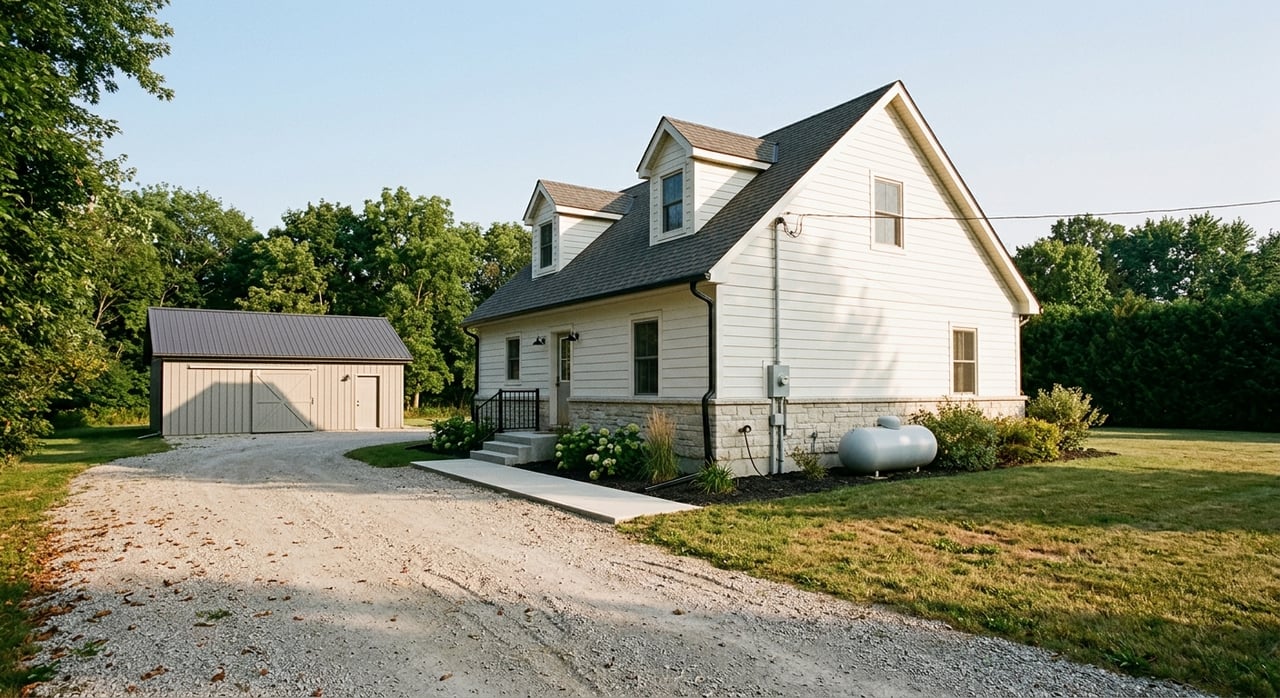
If you are dreaming about a few acres in Platte County, it is easy to focus on the view, the privacy, or the idea of building a barn and spreading out. But small acreage often comes with rural property rules and responsibilities that do not show up on a typical subdivision lot. If you understand the key checks before you buy, you can move forward with more confidence and fewer surprises. Let’s dive in.
Why small acreage needs extra homework
A small acreage property in Platte County may look simple at first glance, but the due diligence can be more detailed than many buyers expect. Road access, utilities, wastewater, floodplain status, and zoning rules can all affect how you use the land.
That is especially true in unincorporated Platte County. County departments provide guidance on planning, zoning, roads, and health requirements, and some parcels may also need separate review if they are inside city limits or subject to HOA rules.
Check access before anything else
One of the first things to confirm is whether the property has legal access to a public or private street. Platte County zoning requires a dwelling to abut at least one public or private street, so a visible path or gravel drive is not enough on its own.
Road maintenance can also vary more than you might expect. In unincorporated Platte County, rural roads may be maintained by the county or by one of four special road districts: Parkville, Platte City, Farley, and Weston.
That matters because road condition, maintenance patterns, and entrance responsibilities may not feel the same as they do in a neighborhood setting. If the property needs a new driveway or culvert on a county road, a permit is required, and the landowner is responsible for the initial labor, materials, and ongoing maintenance of that entrance.
Questions to ask about access
- Does the parcel have confirmed legal access to a public or private street?
- Who maintains the road serving the property?
- Is there an existing driveway permit on file?
- Will a new culvert or driveway permit be needed?
- Are utility locates required before entrance work begins?
Start with water and wastewater
For many small acreage buyers, water and wastewater are the biggest practical issues. Before closing, it helps to know whether the property connects to a water district, relies on a private well, uses septic, or may have access to sewer.
Platte County planning checklists may require a septic or sewer permit, a water-district approval letter, and a site plan showing easements and floodplain data. If setbacks are unclear, a Missouri-licensed surveyor may be required.
If the property will use an onsite wastewater treatment system in unincorporated Platte County, the homeowner must get a permit from the Health Department before installation. The department handles permits and exemptions, inspects new and repaired systems, and investigates sewage complaints.
The septic application itself is another reason to plan ahead. The county health process may require a signed application, a soil morphology report, a site layout illustration, and a fee, so this is usually more involved than calling for a simple install estimate.
What to verify for septic and water
- Whether the property has sewer service or will need septic
- Whether water service is available through a district
- Whether a private well is present or planned
- What permits and approvals are needed before installation
- Whether a site plan or survey will be required
Understand private well considerations
If the property uses a private well, water quality and well construction details deserve attention early. Platte County Health Department can sample private water supplies on request.
Missouri also regulates well construction through state well-drilling rules. For a buyer, that means it is smart to confirm the well setup, ask about available records, and understand whether testing is needed as part of your due diligence.
Know the rules for barns and outbuildings
Many acreage buyers picture a future barn, workshop, detached garage, or storage building. In Platte County, those improvements may require permits and supporting documents.
The county’s accessory-structure checklist for items like barns, garages, and sheds can require owner and contractor information, an entrance permit if needed, septic approval if applicable, a water district approval letter if applicable, and a site plan with all property lines. If setbacks are in question, that site plan must be completed by a Missouri-licensed surveyor.
This is one reason a property that looks ready for expansion may still need careful review. Space on the ground does not always mean a project is ready for approval.
Review animal and hobby farm rules carefully
If your goal is to keep animals, zoning is one of the most important areas to review. In most zoning districts, farm animals are handled through a special use permit.
The county zoning order also sets minimum land requirements for certain animals. Horses, goats, sheep, and cattle require at least five acres with two acres of continuous pasture.
Chickens, ducks, and rabbits require at least 15,000 square feet. Roosters are prohibited on lots under five acres, and fencing must contain the animals.
The county also notes that nuisance conditions, including odor or noise, can create a violation. If you are buying for a hobby farm setup, it is important to confirm that your plans match the parcel’s zoning and any other restrictions that may apply.
Animal-use questions to ask
- What is the property’s zoning district?
- Will a special use permit be required for your intended animals?
- Does the parcel meet the minimum acreage or pasture requirement?
- Are there covenants or HOA rules limiting animal use?
- Will fencing plans meet county requirements?
Ask early about guest houses or accessory dwellings
Some buyers want extra space for extended household needs, a caretaker setup, or flexible future use. Platte County allows an accessory dwelling in AG and RE districts, but there are specific requirements.
The county rules include a five-acre minimum and a single shared driveway access. If that feature is important to you, confirm both the zoning district and the access layout before you get too far into the process.
HOA covenants may add another layer as well. The county notes that planning staff may require HOA approval or covenants showing that accessory dwellings or farm animals are allowed where applicable.
Do not overlook floodplain status
Floodplain issues can affect build plans, insurance costs, and permit requirements. Platte County participates in FEMA’s National Flood Insurance Program and requires a flood development permit for any activity in the floodplain.
The county states that new structures must be built one foot above base flood elevation. It also says that if any portion of a parcel is in the 100-year floodplain, flood insurance may be required.
Even if only part of the property is affected, that can still influence where you place a home, barn, driveway, or other improvement. A floodplain review is one of the smartest early steps for any acreage purchase.
Boundaries and surveys matter more on acreage
On small acreage, boundary assumptions can create expensive problems later. Since county permits often require a site plan showing property lines, easements, and floodplain data, a current survey and title review are practical steps if you plan to add fences, barns, or other improvements.
This is especially helpful when setback lines are tight or the parcel has irregular shape, easements, or older improvements. Clear boundary information can help you make a better offer and plan with fewer surprises.
Treat variances as possible, not promised
Sometimes a parcel has an older nonconforming structure or a layout that creates setback challenges. In those cases, buyers may wonder whether a variance can solve the issue.
In Platte County, the Board of Zoning Adjustment hears requests for setback variances and other zoning or subdivision variances. That can create a path forward in some situations, but it is important to treat approval as possible, not automatic.
Keep property taxes in perspective
Acreage buyers should also remember that property taxes can change over time, especially after improvements. Platte County says the Assessor values property but does not set levy rates.
The county reassesses real property every odd-numbered year. Tax bills are mailed in November and due by December 31, so it is wise to factor future reassessment and post-improvement changes into your budget.
A simple due diligence checklist
Before you buy small acreage in Platte County, make sure you have answers to these core questions:
- Is legal access confirmed?
- Who maintains the road?
- Will a driveway or culvert permit be needed?
- Is water service available, or will you need a private well?
- Will the property use sewer or septic?
- What health or planning permits are required?
- Is any part of the parcel in the floodplain?
- Do zoning rules support your intended use?
- Are barns, accessory dwellings, or animals allowed?
- Are there HOA covenants or deed restrictions to review?
- Will a survey help clarify setbacks, easements, or boundaries?
- Are you budgeting for possible tax changes after improvements?
Why local guidance helps
Small acreage can be a great fit if you want more freedom, more space, and a different pace of living. But in Platte County, the right property is about more than the number of acres on the listing.
The best purchase decisions come from matching the land to your actual plans, then verifying the details early. If you are comparing acreage properties or preparing to make an offer, working with someone who understands rural and specialty property questions can help you spot issues before they become costly.
When you are ready to talk through acreage goals, property strategy, or the next step in your search, connect with Louise Regenstein. You will get practical guidance grounded in local property experience and a clear plan for moving forward.
FAQs
What should you check first when buying small acreage in Platte County?
- Start with legal access, road maintenance, water source, wastewater options, zoning, and floodplain status because those issues can shape how you use the property.
Does a small acreage property in Platte County need a driveway permit?
- If you are adding a driveway or culvert on a county road in unincorporated Platte County, a permit is required and the landowner is responsible for installation and maintenance of the entrance.
Can you install a septic system on acreage in Platte County?
- Yes, but in unincorporated Platte County you must get a permit from the Health Department before installing an onsite wastewater treatment system.
Can you keep horses or goats on small acreage in Platte County?
- County zoning says horses, goats, sheep, and cattle require at least five acres with two acres of continuous pasture, and in most zoning districts farm animals are handled through a special use permit.
Are accessory dwellings allowed on acreage in Platte County?
- Platte County allows an accessory dwelling in AG and RE districts with a five-acre minimum and a single shared driveway access.
Does floodplain status matter for Platte County acreage?
- Yes. The county requires a flood development permit for activity in the floodplain, and floodplain location can affect building standards, placement, and possible flood insurance needs.